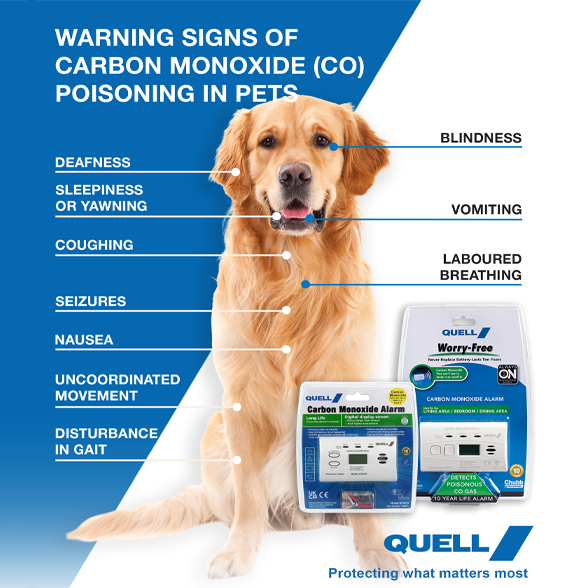
Like all members of the family, pets are just as susceptible to the dangers of carbon monoxide (CO). But, some pet parents may not know how to spot the symptoms. Kidde is sharing important advice to help people protect their furry family members.
Most symptoms of Carbon Monoxide (CO) poisoning in pets are non-specific – they could easily be attributed to other illnesses. It’s important to keep working CO alarms throughout the home, and know the signs in your pets.

People are starting to think about how to stay warm, particularly in the southern states, with homes starting to be warmed with heaters and fireplaces. The kitchen is also starting to be used more instead of BBQs from the summer season. Residential fires occur the most in the kitchen, so always be fire-safety conscious when you’re cooking.
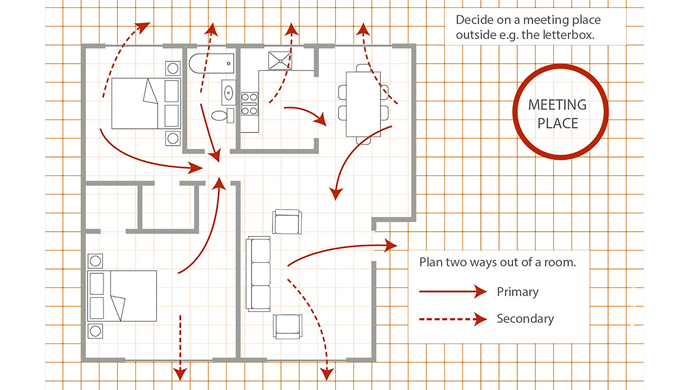
And of course, households are always better protected from fire by following a few fire safety precautions and having a working smoke alarms and carbon monoxide alarms on every level of the home and in sleeping areas, fire extinguishers within reach in the kitchen and garage and a home escape plan.
Stay safe this Autumn with Quell.