
You can’t see it. You can’t smell it. You can’t taste it.
Most household problems give us some sort of warning. A fire produces smoke. A leaking pipe leaves a puddle. A gas leak has a distinctive smell.
Carbon monoxide is different. You can’t see it. You can’t smell it. You can’t taste it.
So, could it happen in your home? If you use a gas heater in winter, light the fireplace on cold evenings, have a wood heater, or park your car in an attached garage, it’s a question worth asking.
The good news is that understanding the risk is the first step towards protecting your home. Once you know where carbon monoxide comes from, the symptoms to look for and the simple precautions you can take, staying safe becomes much easier.
Where does carbon monoxide come from?
Carbon monoxide is created when fuels such as gas, wood, petrol or charcoal don’t burn completely. Around the home, that usually means it’s linked to fuel-burning appliances or equipment.
Common sources include:
- Gas heaters
- Wood heaters
- Fireplaces
- Gas appliances
- Portable generators
- Attached garages
Most of these are things many of us use every day without a second thought. A gas heater warming the house on a cold morning. A fireplace crackling away in the living room. A generator running during a power outage.
The risk isn’t the appliance itself. It comes when fuel doesn’t burn properly and carbon monoxide starts to build up — which can happen if an appliance is faulty, poorly maintained or used somewhere without enough ventilation.
What are the symptoms?
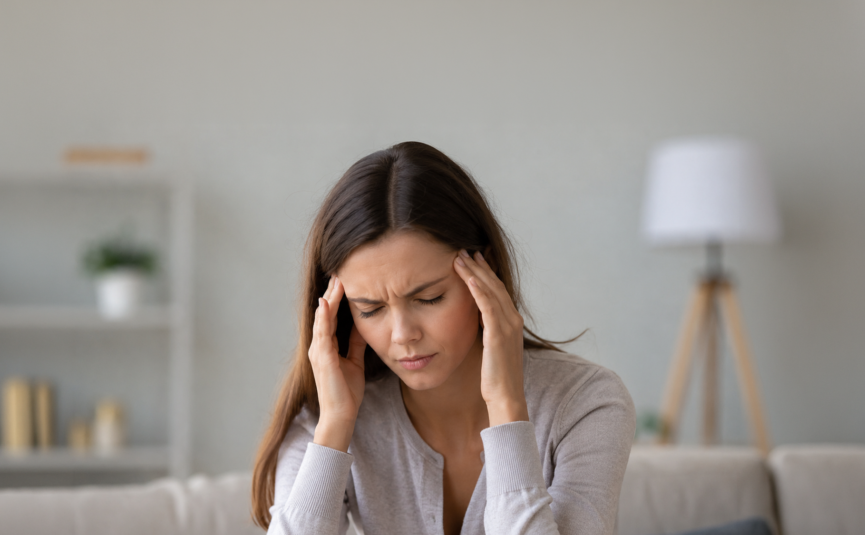
One of the reasons carbon monoxide poisoning is so difficult to recognise is that the symptoms don’t seem alarming at first. It might start with a headache you can’t quite shake. Maybe you’re more tired than usual, a bit dizzy, or slightly nauseous — easy to put down to a busy week or coming down with a cold.
Common symptoms can include:
- Headaches
- Dizziness
- Nausea
- Fatigue
- Weakness
- Shortness of breath
The warning sign people miss
Picture a winter evening with the heater running. One family member mentions a headache. Someone else says they’re feeling a bit off. It seems like a cold, or tiredness, or simply a rough day.
That’s the detail worth remembering: if several people in the home develop similar symptoms at the same time, particularly while fuel-burning appliances are in use, it’s worth taking seriously.
If you suspect carbon monoxide exposure, or if a carbon monoxide alarm sounds, move everyone into fresh air immediately and call emergency services.
How can you help protect your home?
Reducing the risk doesn’t have to be complicated. A few simple habits go a long way:
- Have fuel-burning appliances serviced regularly
- Follow the manufacturer’s instructions for heaters, fireplaces and other fuel-burning appliances
- Make sure appliances are used in well-ventilated areas where required
- Never use outdoor fuel-burning equipment indoors
- Watch for visible damage or unusual appliance performance
Even with regular maintenance, no one can see, smell or taste carbon monoxide. That’s why many homeowners install a carbon monoxide alarm as an additional layer of protection.
Think of it this way: maintenance helps reduce the risk, while an alarm makes sure you’re told if a problem does occur. And when it comes to carbon monoxide, the sooner you know, the sooner you can act.
Frequently Asked Questions
Have a question? Visit the Quell FAQ page for answers the most commonly asked questions.
Where can I buy Quell CO alarms
Quell carbon monoxide alarms are stocked at major retailers right across Australia, including
- Bunnings
- Mitre 10
You can pick one up next time you’re already out shopping.
You can also find your nearest retailer by visiting our Stockist page.